How I work: the website design process, from the first call to your next launch
Strategy first, then every word,page and tool that follows from it.
You get more than a site. You get a clear position, words that sell what you know, a brand that holds together and tools that connect, planned together and built to grow with your business.
With or without a website. A fixed-price proposal within two business days.
Cubilani’s website design process runs in six stages, led by Lucas Cubillos Mialani, for consultants and expert-led businesses in Canada and the US: the call and the proposal, the strategy, the words, the design and build, the launch, and the growth after it. Each stage has a clear owner, a clear output and a fixed price agreed before work starts.
The six stages of my website design process
Every project follows the same path, whatever its size. Each stage has a reason, and none starts before the one before it is agreed.
01The 30-minute call and your proposal.
We look at where you are and what you need; you get one fixed price in writing.
02Strategy.
Who you serve, why they should pick you, and the page map that follows from it.
03The words.
Every page written to sell what you know, in your voice.
04Design and build.
A site that looks as established as your business, connected to the tools you use.
05Launch.
Live on your domain, handed over, with a dated record of where you start.
06Growth.
A results check, then the next piece only when it has a reason.
1 · The 30-minute call and your proposal
What I do:I look at your site the way a new client sees it, and ask AI assistants what they say about your business. With no site yet, we talk through what your business needs. Within two business days, I send a proposal: the scope in your words, one fixed price, the dates, and each connection you need as a named line.
What you do:a free 30-minute call, then approve the proposal. A deposit of half the price starts the work.
What you leave with:a clear next step, and a price that doesn’t move.
2 · Strategy
What I do:I work out who you serve, why they should pick you over the alternatives, and what each page must do to bring them one step closer. Every page gets one search phrase, checked against real search data, and an FAQ built from your buyers’ questions. If your brand differs everywhere, we decide here whether brand guidelines come first.
What you do:a guided intake of about 15 minutes, then one planning call. “Decide for me” is a valid answer to any question; I make that decision and list it for your review.
What you leave with:a page map, the sitemap of your new site, that you can read in five minutes, with a job and a next step for every page.
3 · The words
What I do:I write every page, home page first, for the clients you want and in words that sound like you. This is where most of the thinking shows: what you do, for whom and why you, said plainly enough for people to act on and for Google and AI assistants to repeat.
What you do:review the words in one pass before any design starts.
What you leave with:copy you’ve approved, so the design is built around what you actually need to say.
4 · Design and build
What I do:I design the site to look as established as your business, on your brand, and build it the way you chose on our call: so you edit it yourself, or so you ask and it’s done. The AI-ready foundation goes in as it’s built, and the connections are set up and tested: booking, forms, email and your CRM, as named in your proposal.
What you do:two rounds of revisions, then approve the finished site.
What you leave with:a fast, mobile-friendly site, tested before launch, where every page ends in one clear next step and every enquiry lands where you already work.
5 · Launch
What I do:the site goes live on your domain with the redirects in place. On launch day, I record what Google and the main AI assistants say about your business, dated, so the change can be checked later.
What you do:pay the balance on approval. Your domain and hosting are in your name from the start, and the site and every account pass to you on final payment.
What you leave with:a handover session, a written guide your team can follow, your identity block (the short and long descriptions of your business that your Google profile, directories and AI tools can repeat) and 30 days of fixes.
6 · Growth
What I do:60 to 90 days after launch, a short results check compares where you stand with the launch record: Search Console, what AI assistants now say about you, and your form and booking counts. It shows what changed and where to optimize next. Then we plan what comes next, if anything.
What you do:decide what’s worth doing now. Together, we work out what your business needs now, and what can wait.
What you leave with:a clear view of what worked. If search and AI answers matter to you, a content plan and a review every quarter build on it; see how AI SEO services work.
Most website projects launch three to five weeks after the deposit. Larger ones take longer, and your proposal gives the dates. The build is fast; your reviews set the pace.
Pick a time that suits you. A reply within one business day.
One plan at every stage, so nothing gets lost
The strategy, the words, the design and the build follow one plan, with one point of contact from the first call. What you said at the start shapes every page, so nothing gets lost on the way, and you explain your business once.
“From the start you came across as very professional, and you always did analysis to show how we could grow.”
Danaee Anais, nutritionist, NutriSenior, Chile (translated from Spanish)
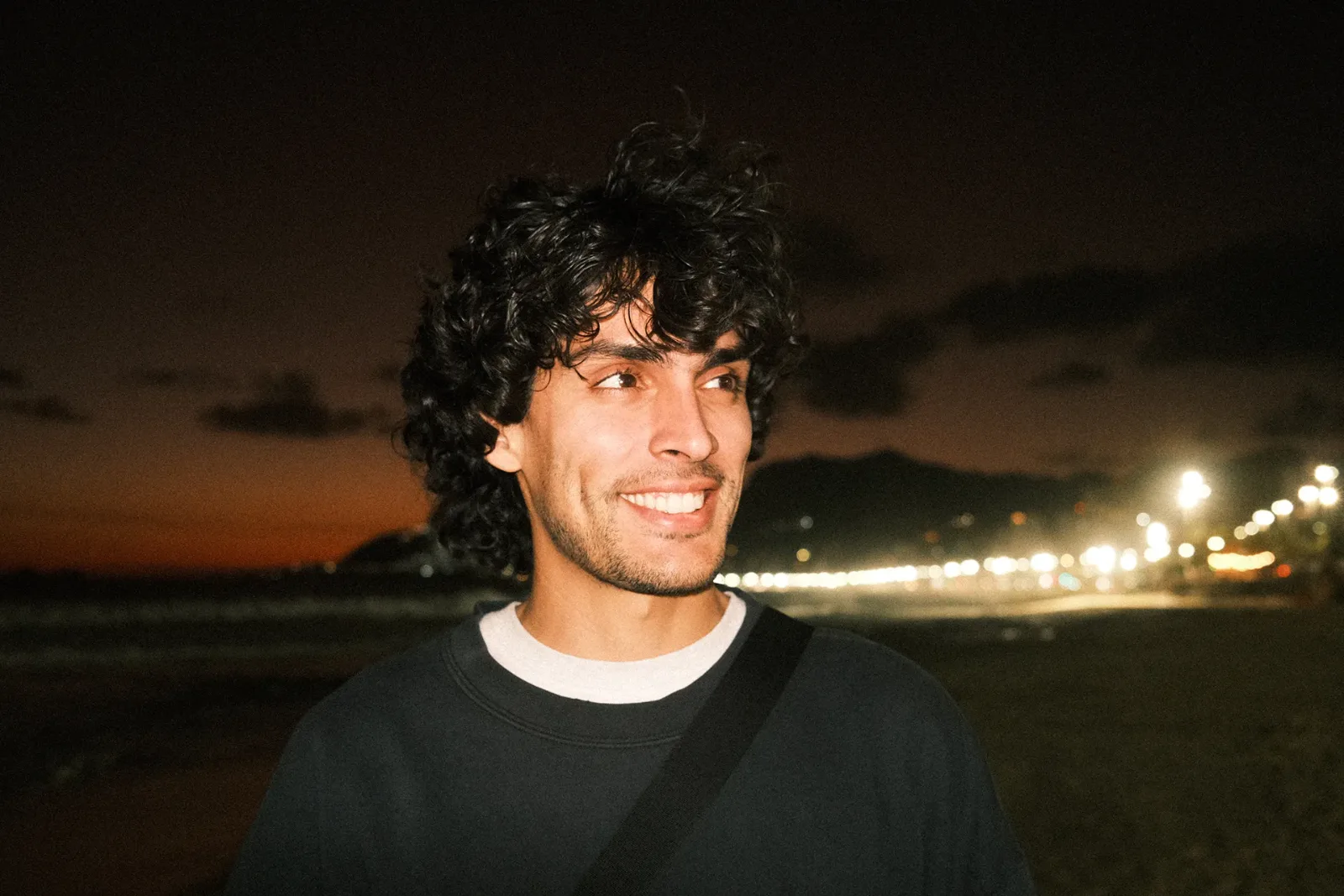
I’m Lucas Cubillos Mialani. Web design is where my MBA in business and marketing, finished in 2019, meets the design, photography and drawing I’ve always loved. Since 2020, it’s what I do for businesses in Canada and the US. Eastern hours, adapted to yours. You own everything on final payment.
The project ends at launch, and nothing obliges you to come back. Most clients do, as their business adds something new.
01Jon Youshaei:
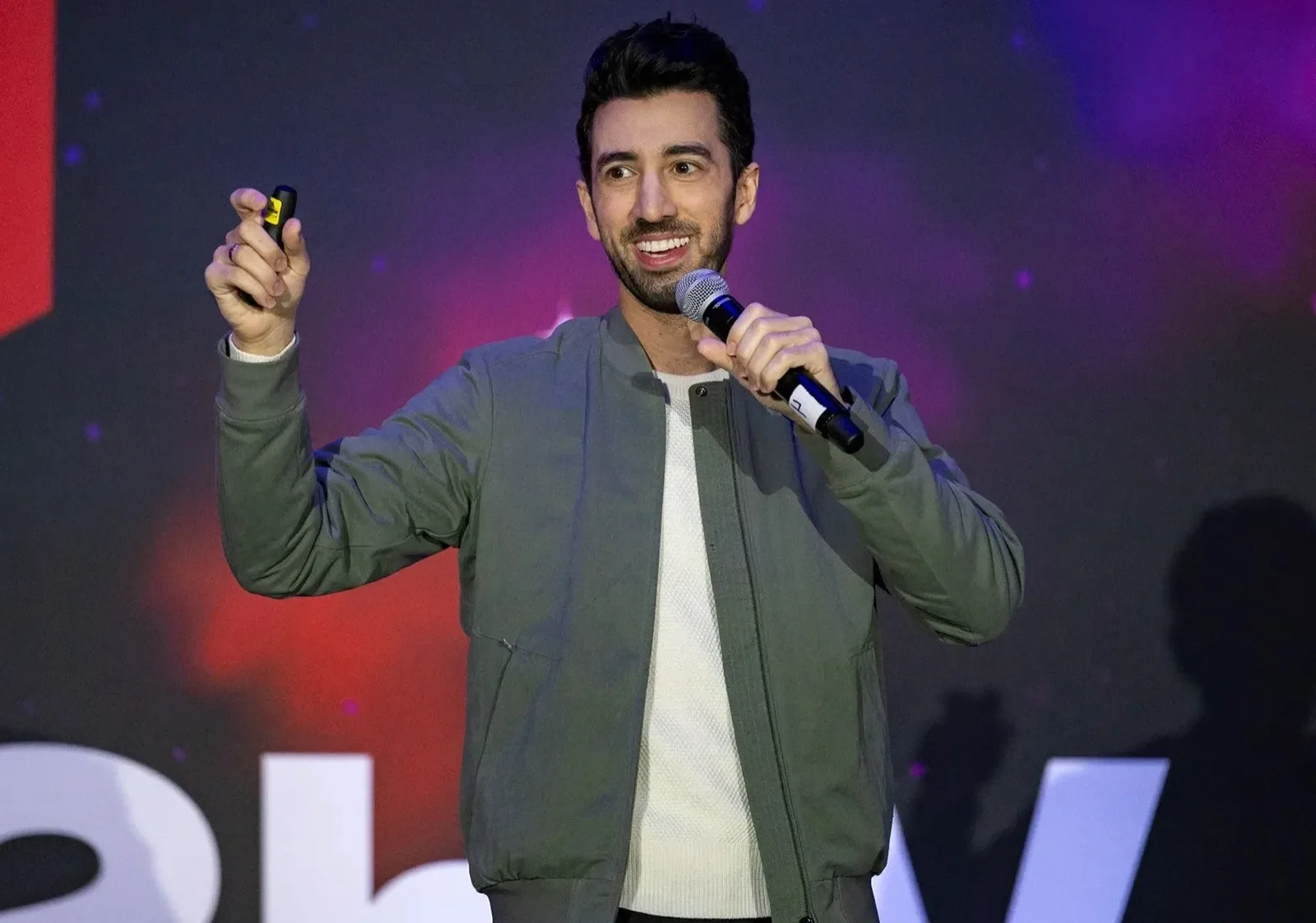
one site in 2022, four sites and a store by 2025, and three of the sites on a care plan. The Jon Youshaei case study
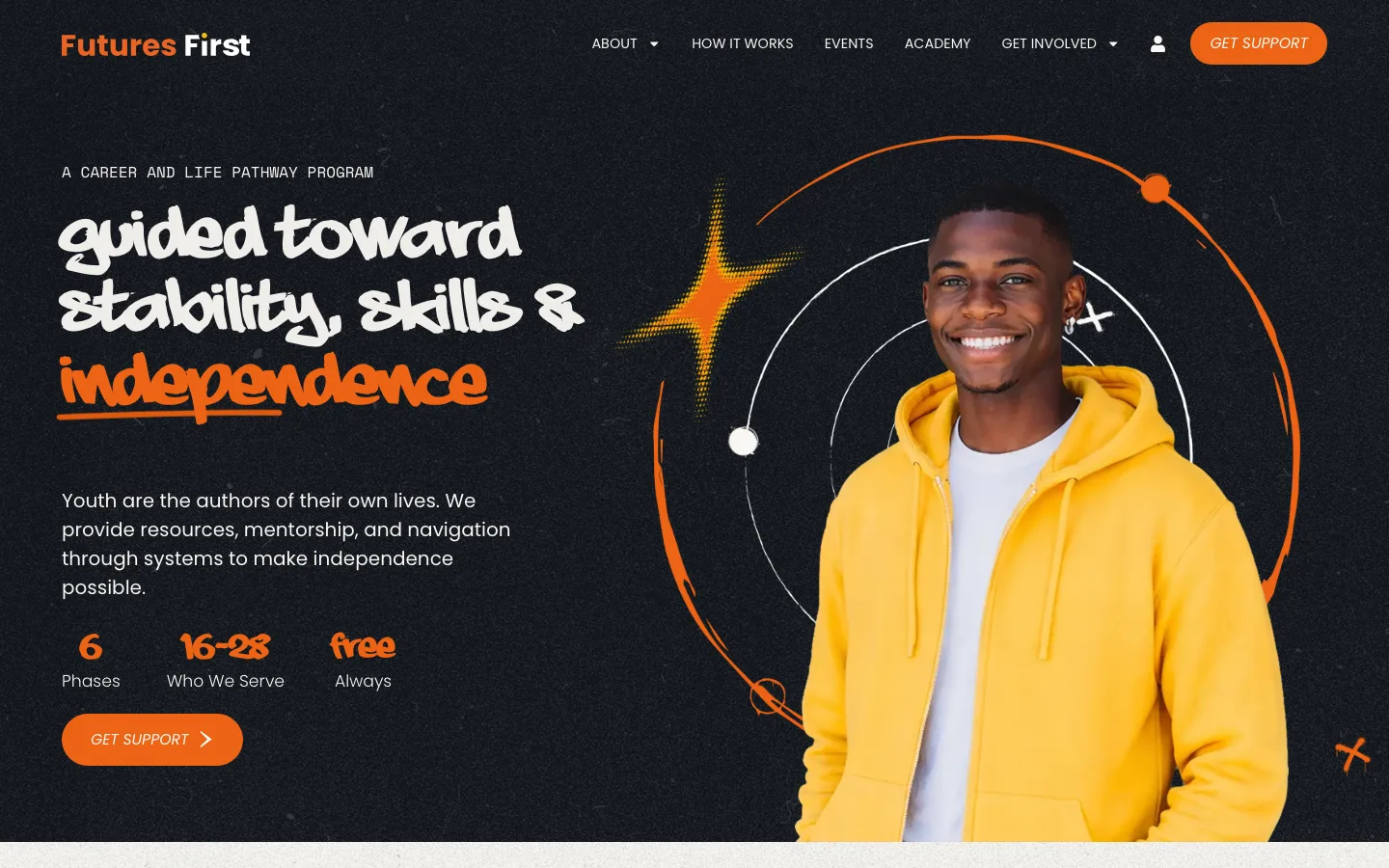
02Futures First:
since 2023, event pages, then brand guidelines, a course platform, a new website and a veterans page. The Futures First case study
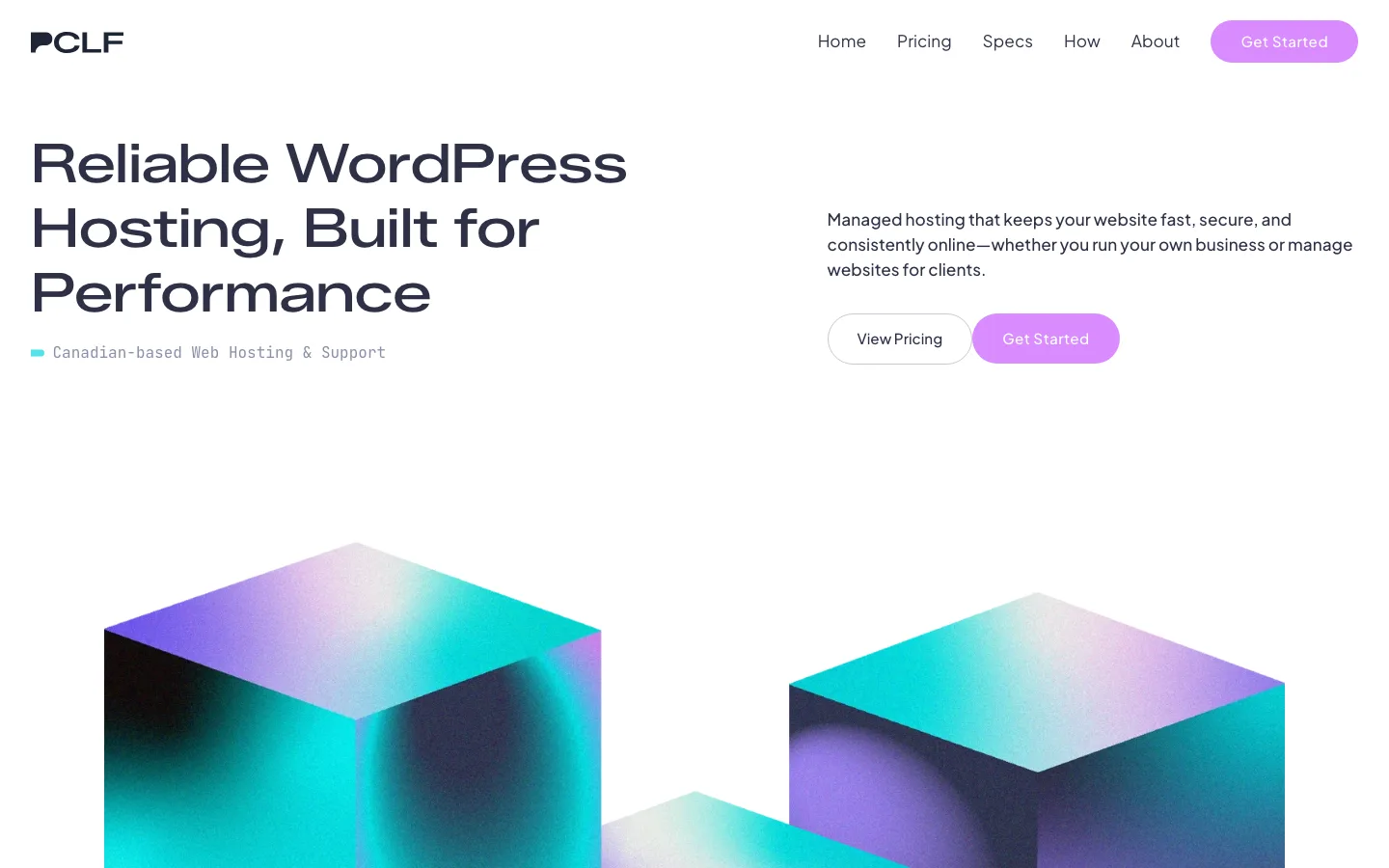
03PCLF:
a brand and a new site in 2026, then ongoing work on its strategy. The PCLF case study
Each next piece, a page for a new program, a booking system or a brand to match through my branding services, is quoted at a fixed price before it starts. A care plan for sites I’ve built runs month by month, if you want one.
Questions to ask before you start
The questions to ask a web designer before you hire one, answered for how I work.
What does the website design process look like?
Six stages: the free call and a fixed-price proposal, the strategy, the words, the design and build, the launch, and the growth after it. Most projects launch three to five weeks after the deposit, followed by 30 days of fixes and a results check 60 to 90 days later.
What is the first step in designing a website?
Getting clear on who the site is for and what it has to do, before any design. Here, that starts with a free 30-minute call, then the strategy stage: who you serve, why they should pick you, and a page map that gives every page one job.
How long does it take to build a website?
Most website projects launch three to five weeks after the deposit; larger sites take longer, and your proposal gives the dates. The strategy and the words come first, then the design and build. Your reviews set the pace, since the build itself is fast.
What should I check before I hire a web designer?
If you’re working out how to hire a web designer, check three things: who does the work, what the price covers, and what happens after launch. Here, Lucas Cubillos Mialani leads the work from the first call to launch, the price is fixed in writing before work starts, and every project includes 30 days of fixes and a results check after launch.
How much of my time does it take?
A 30-minute call, a 15-minute intake, one planning call, one review of the words and two rounds of design revisions. “Decide for me” is a valid answer to any question in the intake, so nothing waits on a long questionnaire.
Brand, website or search: what comes first?
It depends on what’s already in place. If your brand is clear, start with the website; if your logo, colours and words differ everywhere, brand guidelines come first or with the site. Search work sits on the site, so the site comes before any search plan. We sort it out together on the free call.
Can you connect my booking tool, email list or CRM?
Yes. Every site includes a contact form. Each connection you need, such as booking, email sign-ups or your CRM, is a named item in your proposal, priced before work starts and tested before launch.
Can you work with my team or my other providers?
Yes. For Jon Youshaei, I work inside his brand and alongside his team, which supplies the assets, on their schedule and in a different time zone. If you already have a brand, a plan or people who supply content, the site is built to fit them, and you still have one point of contact.
Start with a free 30-minute call, with or without a website
Have a website? We’ll look at it together the way a new client sees it, what an AI assistant says about you, and what it should connect to. No website yet? We’ll talk through what your business needs and the order to build it in. If it’s a fit, you get a proposal with one fixed price within two business days.